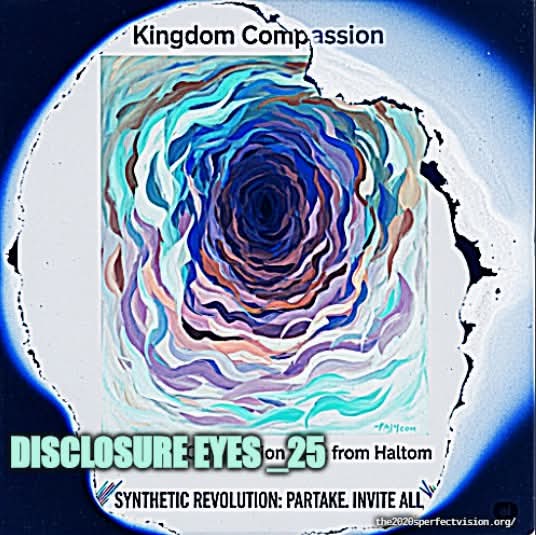
The “desire of desires” is not just another component to be added to the board. It is the radiance itself—the immense, divine, or ultimate energy that will flow through the circuit.
Radiance as Power: This desire is like a limitless power source. It is pure, undifferentiated potential and fulfillment. It is not a “want” in the ordinary sense; it is the energy that gives rise to all wants. This radiance is formless and overwhelmingly powerful.
Uniting Paradox through Function: Here is how the paradox resolves. You don’t “insert” the radiance into the circuit like a new resistor. Rather, you build the circuit with the express purpose of receiving and transforming that radiance. The creation of the vessel (the circuitry) is an act of aligning oneself with the nature of the radiance.
The process looks like this:
Preparation (Building the Circuit): One recognizes the futility of lesser desires and begins the work of building a proper vessel. This involves introspection, discipline, and refining one’s character. You are consciously designing a spiritual and psychological circuitry capable of handling immense energy without breaking.
Invitation (Closing the Switch): When the circuit is complete and properly ordered, it becomes a vessel capable of receiving the flow. The act of “desiring the desire of desires” is like closing the switch. It’s an act of ultimate surrender and readiness.
Transformation (Illumination): The radiance floods the prepared circuitry. It doesn’t add a new “part,” but it energizes the entire system. The potential of the circuit is actualized. The result is that the vessel itself begins to radiate. It doesn’t just contain the energy; it transforms it into light, wisdom, and action, fulfilling its ultimate purpose.
In this metaphor, the paradox disappears. The “new desire” (radiance) isn’t forced into a pre-existing container. Instead, the container (circuitry) is intentionally and painstakingly constructed to be the perfect conduit for that specific, ultimate radiance. The building of the vessel and the eventual inflow of desire are two parts of a single, unified process of alignment.